Let me be honest with you for a second. I used to think budget travel meant miserable hostels, mystery-meat meals, and staring at a spreadsheet instead of a sunset. Spoiler: it doesn’t. After years of traveling on a shoestring — and slowly figuring out what actually works — I’ve landed on a set of strategies that let you see more, spend less, and still feel like a human being at the end of it.
Whether you’re a college student planning your first solo trip, or just someone who’s tired of watching their savings evaporate every time they take a vacation, this guide is for you. These are 15 real, actionable budget travel tips that make a genuine difference.
1. Be Flexible With Your Dates (This Is the Big One)
If there’s a single piece of budget travel advice that outweighs everything else, it’s this: flexibility is money.
Flights on a Tuesday or Wednesday can be 30–40% cheaper than the same route on a Friday. Traveling in shoulder season — like April/May or September/October — slashes both airfare and hotel costs dramatically. Use Google Flights’ calendar view to see price trends across an entire month. It’s free. It’s visual. And it’s genuinely one of the best tools for how to save money traveling.
2. Book Flights at the Right Time
Here’s the general rule: book domestic flights 1–3 months in advance, and international flights 2–6 months out. Last-minute deals exist, but don’t count on them if you’re on a tight budget.
Apps like Hopper, Google Flights, and Skyscanner will send you price alerts when fares drop. Set them and forget them. When the alert hits, move fast — those prices don’t hang around.
Pro tip: Clear your browser cookies or use incognito mode when searching flights. Some booking sites quietly raise prices based on your search history.
3. Master the Carry-On Game to Avoid Baggage Fees
This one tip can save you $60–$100 per round trip easily. Checked bag fees are one of the sneakiest costs in travel, and with the right bag, they’re completely avoidable.
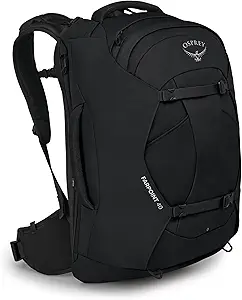
The Osprey Farpoint 40 and Osprey Fairview 40 (women’s fit) are the carry-on backpacks that travel bloggers, digital nomads, and frequent fliers consistently swear by. Both fit airline overhead bins and hold a week’s worth of clothes when packed smart.
Pair that with packing cubes — the Osprey Ultralight Packing Cube Set is excellent — and you’ll be amazed how much you can fit in a single bag without it looking like a stuffed turkey going through security.
Why this matters for budget travelers:
- No checked bag fees ($30–$60 each way on most US carriers)
- Faster airport experience — no baggage claim wait
- Easier to navigate buses, trains, and hostels
4. Use a Luggage Scale Before You Leave the House
You packed light. You’re proud of yourself. Then the gate agent says your bag is 3 lbs over and hits you with a $75 overweight fee.
Don’t let this happen. The Etekcity Luggage Scale costs around $10–$15 and is one of the most underrated pieces of travel gear out there. Weigh your bag at home. Adjust. Done.
5. Pick Accommodations Strategically
Here’s a quick breakdown of your options:
| Option | Best For | Avg. Nightly Cost (US) | Vibe |
|---|---|---|---|
| Hostel dorm | Solo travelers, meeting people | $25–$50 | Social, chaotic, fun |
| Budget motel | Couples, road trips | $60–$90 | Quiet, no frills |
| Airbnb (private room) | Longer stays, kitchen access | $70–$120 | Local feel |
| Budget hotel chain | Reliability seekers | $80–$130 | Predictable |
For students especially, hostels in US cities like Austin, Nashville, Denver, and New Orleans are genuinely great — they’re social hubs, not just a place to crash. Apps like Hostelworld and Booking.com let you filter by price and reviews.
6. Know the Cheapest Times of Year to Travel in the US
Off-season travel is one of the most powerful levers you have. Here’s the cheat sheet:
- January–February (post-holiday): Domestic flights and hotels are at their lowest
- Late August–September: After summer rush, before fall peak
- Late April–early May: Before Memorial Day prices spike
Destinations like New Orleans, Florida beaches, NYC, and the Pacific Northwest can be dramatically cheaper outside their peak windows. This is the heart of off-season travel tips USA — same destinations, fraction of the cost.
7. The Best US Destinations for Budget Travelers
Not all trips are created equal. Some cities are just cheaper to visit. Here are some favorites:
- Asheville, NC – Stunning mountains, great food scene, affordable Airbnbs
- New Orleans, LA – Rich culture, incredible street food, cheap eats everywhere
- Albuquerque, NM – Low cost of living means low tourist prices too
- Memphis, TN – BBQ, blues, and surprisingly affordable
- Portland, OR – Walkable, public transit-friendly, tons of free activities

8. Set a Daily Travel Budget (And Actually Stick to It)
A simple daily travel budget guide for a domestic US trip:
| Budget Level | Daily Spend | What It Covers |
|---|---|---|
| Backpacker | $60–$85/day | Hostel, groceries, public transit |
| Mid-range | $100–$150/day | Budget hotel, some restaurants |
| Comfortable | $150–$200/day | Private Airbnb, dining out daily |
The key is tracking it. Apps like Trail Wallet or even just a simple note on your phone work great. Knowing where your money’s going is half the battle.
9. Save Money on Food Without Eating Terribly
Here’s the strategy: cook breakfast and lunch, eat out for dinner. It sounds simple because it is. Staying somewhere with a kitchen (an Airbnb, a hostel with a common kitchen) makes this easy.
Other money-saving food tips while traveling:
- Hit local grocery stores or Trader Joe’s for snacks and sandwich supplies
- Look for lunch specials — many great restaurants offer the same dishes at lunch for 30–40% less
- Food trucks and local markets are almost always cheaper than sit-down restaurants
- Bring a refillable water bottle like the Owala FreeSip — buying bottled water on the road adds up fast
10. Get a Travel Rewards Credit Card (Even as a Student)
This is arguably the most underused budget travel hack for US travelers. Cards like the Chase Sapphire Preferred or the Capital One Venture Rewards offer sign-up bonuses that can cover a round-trip flight or two hotel nights — just from normal everyday spending.
You’re not gaming the system. You’re using it the way it was designed. Just pay the balance in full each month, and the points are basically free money.
11. Track Your Bag — Don’t Lose It
If you’re checking a bag (sometimes unavoidable), an Apple AirTag is a game-changer. $29, attaches to your bag’s zipper, and lets you track its location in real time from your iPhone. Lost luggage is annoying. Lost luggage in a city you don’t know, with no spare clothes, is a budget catastrophe.
12. Never Let Your Phone Die at the Airport
Boarding passes. Rideshare apps. Hotel confirmation numbers. Your phone dying at the wrong moment is not just stressful — it can mean missing a flight or getting stranded.
An Anker power bank (the Nano 10K is compact and TSA-approved for carry-on) is non-negotiable travel gear. Under $30, keeps your phone alive all day. Worth every penny.
13. Solo Travel Safety on a Budget
Solo budget travel is incredibly liberating — and it doesn’t have to be risky. A few basics:
- Share your itinerary with a friend or family member
- Use Maps.me (offline maps) or download Google Maps for offline use
- Stay in well-reviewed hostels — the social environment actually makes solo travel safer and more fun
- Keep a digital copy of your ID and travel insurance info in your email
14. Is Travel Insurance Worth It on a Budget Trip?
Short answer: yes, especially for flights over $300 or any trip involving activities (hiking, water sports, etc.). A single delayed flight can cost you more in hotels and meals than the insurance itself.
World Nomads and Allianz are popular picks for US travelers. You can usually get basic trip protection for $20–$50 on a domestic trip.
15. Pack the Right Gear — Once, and Right
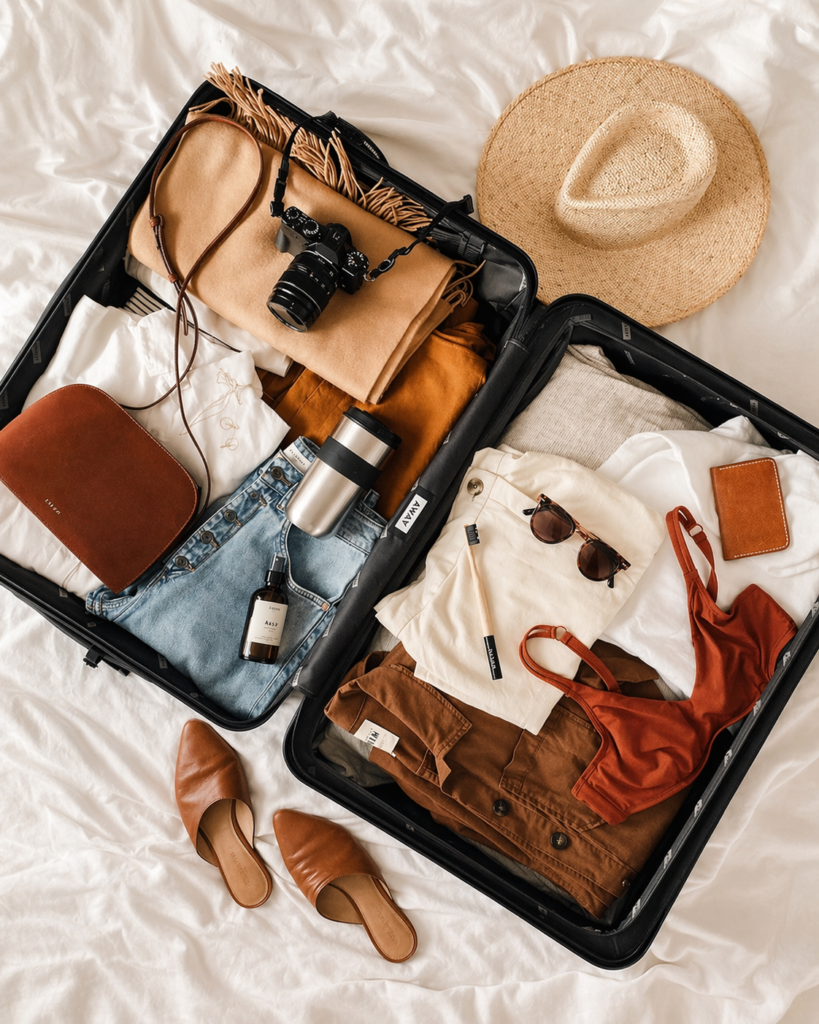
The final piece of budget travel advice is this: buy quality gear you’ll use for years, not cheap stuff you’ll replace every trip. The cost-per-use math favors investing once.
The short list of gear actually worth buying:
- ✅ A quality carry-on backpack (Osprey Farpoint/Fairview 40, Cotopaxi Allpa 35L)
- ✅ Packing cubes (Osprey Ultralight or BAGSMART Compression)
- ✅ Luggage scale (Etekcity — under $15)
- ✅ Power bank (Anker Nano)
- ✅ Refillable water bottle (Owala FreeSip)
- ✅ AirTag for your bag
- ✅ Compression socks for long flights
You don’t need all of this on your first trip. Start with the carry-on backpack and packing cubes — those two alone will change how you travel.
The Bottom Line
Budget travel isn’t about deprivation. It’s about making smart decisions — booking at the right time, packing the right way, eating like a local, and skipping the fees that quietly drain your wallet.
The best trips I’ve ever taken weren’t the most expensive ones. They were the ones where I showed up with a plan, a solid bag, and a willingness to be a little flexible.
You’ve got everything you need to start. Now go book something.
Frequently Asked Questions
How much should I budget per day for a domestic US trip? A backpacker-level budget runs about $60–$85/day. Mid-range is $100–$150/day. It depends heavily on accommodation and whether you’re cooking your own meals.
What’s the cheapest way to book flights from the US? Use Google Flights with flexible date view, set price alerts on Hopper, and search in incognito mode. Book 1–3 months in advance for domestic travel.
Is it cheaper to stay in hostels, hotels, or Airbnbs? Hostels are cheapest for solo travelers ($25–$50/night). Airbnbs with kitchen access offer the best value for longer stays. Motels work well for road trips.
How do I avoid baggage fees? Use a carry-on backpack (like the Osprey Farpoint 40) and pack with packing cubes. An Etekcity luggage scale helps you stay under weight limits before you leave home.
What are the best apps for saving money on travel? Google Flights, Hopper, Hostelworld, Booking.com, Trail Wallet (budget tracking), and Maps.me (offline navigation) are all excellent free tools.
Have a budget travel tip that changed the way you travel? Drop it in the comments — I’d genuinely love to hear it.