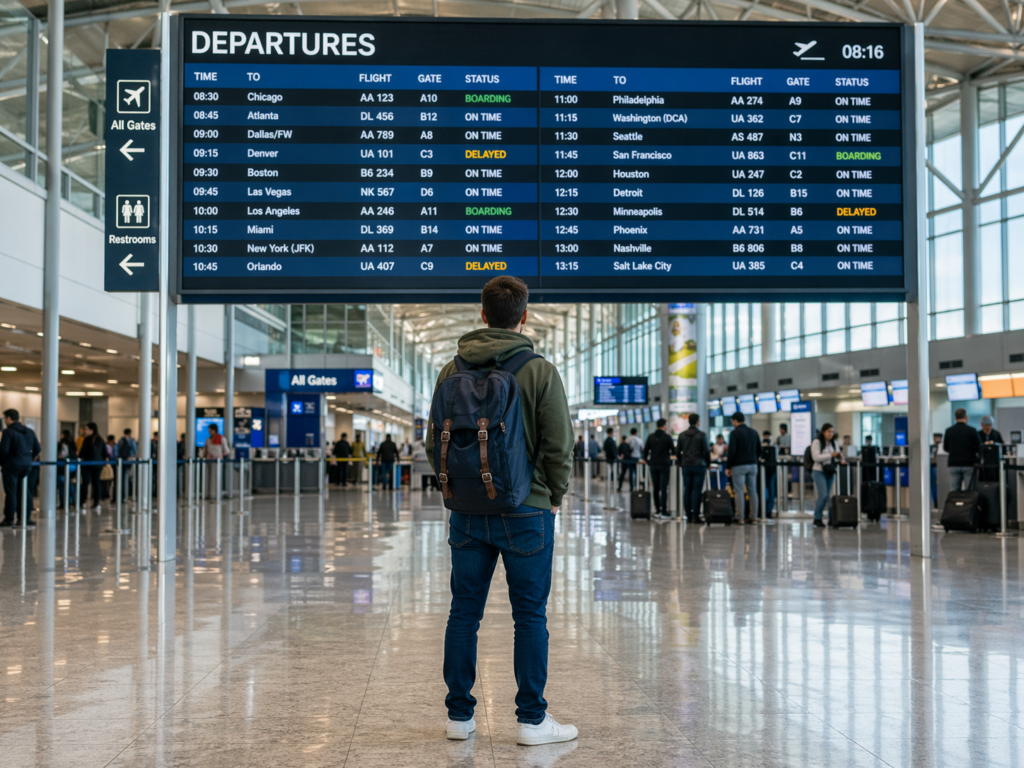
Let me be real with you for a second. I once paid $47 for a sandwich and a bottle of water at an airport terminal. Forty-seven dollars. No, it wasn’t gold-plated. It was just a regular turkey club with an overpriced sparkling water — and I bought it because I hadn’t planned ahead. That moment, standing at Gate B12 feeling deeply betrayed by my own choices, was the day I became obsessed with figuring out how to save money traveling.
And honestly? It changed everything.
Whether you’re a broke college student planning your first solo trip, or just someone who wants to stretch every dollar as far as possible, this guide is for you. We’re talking cheap flights, budget accommodation, free activities, the best travel apps — plus some gear that’ll quietly save you a surprising amount of cash on the road.
Let’s get into it.
Tip #1: Track Flight Prices With Google Flights
The biggest budget mistakes happen before you even pack a bag — and overpaying for flights is mistake number one.
Google Flights lets you set price alerts on specific routes and dates, so you get notified the moment fares drop. I’ve seen prices swing $150+ on the exact same flight just by waiting a week. Use the flexible dates calendar view to instantly see which days are cheapest.
Best days to fly: Generally, Tuesday and Wednesday are the cheapest days domestically. Fridays and Sundays are peak pricing territory. Shift your travel by even one day and you can save significantly.
For booking timing, the sweet spot for domestic U.S. flights is 4–8 weeks out. Too early and prices are inflated; too late and availability shrinks.
Tip #2: Build a Real Travel Budget Before You Book
This sounds obvious, but most people skip it entirely — and then wonder why they’re broke by day three.
Sit down and map out every cost category:
- Flights (round trip)
- Accommodation (per night × number of nights)
- Food (daily average × days)
- Local transportation (transit, rideshare, rental car)
- Activities and entrance fees
- Emergency buffer (add 15% on top of everything)
Using the Clever Fox Travel Journal Vacation Planner makes this process almost enjoyable — it’s a physical planner with built-in budget templates for trip planning. Old school, but genuinely effective.
Here’s a rough starting guide for U.S. travelers:
| Trip Type | Estimated Budget (per person) |
|---|---|
| Weekend getaway (budget) | $300–$600 |
| 1-week domestic trip | $1,000–$2,000 |
| 1-week international (budget) | $1,500–$3,000 |
| 2-week international (moderate) | $3,000–$5,000 |
Insert image of a travel budget planner notebook open with handwritten notes here
Tip #3: Pack Light to Avoid Baggage Fees
Baggage fees are basically a tax on disorganized packing. The golden rule: pack carry-on only. It sounds extreme until you realize you’ve been bringing 40% more stuff than you actually need.
Packing cubes are the game-changer here. They compress your clothes, keep everything organized, and make it genuinely possible to fit a week’s worth of clothing into a carry-on. Top picks:
- Osprey Ultralight Packing Cube Set — premium, lightweight, durable
- Travelizer Travel Packing Cubes 5 pcs — great budget option
- Amazon Basics Packing Cubes — cheap and reliable for occasional travelers
Also grab an Etekcity Digital Luggage Scale. It costs about $10–$15 and can save you $75+ in overweight bag fees on a single trip. Do the math — it pays for itself the first time you use it.
Insert image of organized packing cubes inside an open carry-on suitcase here
Tip #4: Bring Your Own Toiletries (and Follow TSA Rules)
Buying travel-size toiletries at the airport or drugstore every trip adds up to a surprising amount over time. Instead, invest once in a set of reusable silicone travel bottles and refill them from your full-size products at home.
The TSA 3-1-1 rule: containers must be 3.4 oz (100ml) or smaller, all fitting in one quart-sized clear zip bag. These products make compliance easy:
- Globegear Silicone Travel Bottles — durable and leak-proof
- GLOBEGEAR TSA Approved Travel Toiletry Bag — keeps everything organized and airport-ready
- Travelon 1-Quart Zip-Top Bag — simple, compliant, very affordable
- Soft N Style Travel Bottle Set — the most budget-friendly option on this list
Tip #5: Choose Accommodation Strategically
Is it cheaper to stay in a hostel, Airbnb, or hotel? It depends on your situation — here’s the honest breakdown:
| Option | Best For | Average Cost (US) | Notes |
|---|---|---|---|
| Hostel (dorm) | Solo travelers, students | $20–$45/night | Great for meeting people |
| Hostel (private room) | Couples on a budget | $50–$80/night | More privacy, still affordable |
| Airbnb | Groups or longer stays | $60–$150/night | Kitchen access saves on food |
| Budget hotel chain | Convenience, points | $70–$120/night | Loyalty rewards add up |
| Camping | Serious budget travelers | $10–$30/night | Maximum savings |
A few tactics that consistently work:
- Book directly with hotels — many offer price-match guarantees and cut out platform fees
- Filter for “free breakfast” — that’s $15–$25/day per person you’re not spending on food
- Stay one subway stop outside the city center — neighborhoods slightly off the tourist trail are often 30–40% cheaper
Tip #6: Eat Like a Local, Not Like a Tourist
Food is where travel budgets quietly collapse. You tell yourself “just one nice dinner” and suddenly you’re $400 deeper than planned.
Here’s the playbook:
- Hit a grocery store on day one. Stock up on breakfast items and snacks. Eating out every morning is one of the fastest ways to blow your budget.
- Eat where locals eat. If the menu has photos and is only in English, you’re paying the tourist tax. Walk two more blocks.
- Use the kitchen if your Airbnb or hostel has one — even cooking just three dinners per week makes a real difference.
- Carry a reusable water bottle everywhere. The HYDAWAY Collapsible Water Bottle collapses flat when empty — genius for carry-on packing. The Nalgene Wide Mouth is virtually indestructible for road trips.
- Order lunch instead of dinner at nice restaurants. Same food, often 25–40% cheaper.
Insert image of a local outdoor food market with colorful fresh produce here
Tip #7: Use the Right Apps to Save Money on Travel
| App | What It Does | Cost |
|---|---|---|
| Google Flights | Flight price tracking and alerts | Free |
| Hopper | Predicts whether prices will rise or fall | Free |
| Hostelworld | Find cheap hostels worldwide | Free |
| GasBuddy | Find cheapest gas prices for road trips | Free |
| XE Currency | Real-time currency conversion | Free |
| Google Maps | Offline maps, transit directions | Free |
| Travel Spend | Track your daily spending on the go | Free/paid |
All free. All worth downloading before any trip.
Tip #8: Find Free Things to Do at Every Destination
There is genuinely more free stuff out there than most people realize — you just need to look for it:
- Free museum days — many U.S. museums offer free admission on specific days or evenings
- America the Beautiful Annual Pass — at $80/year, it covers entry to all U.S. national parks and pays for itself after two visits
- Free walking tours — available in almost every major city, tip-based, and often better than paid tours
- City parks, waterfronts, and public art — some of the best travel memories cost absolutely nothing
- Local events and festivals — check Eventbrite or Facebook Events for what’s happening during your visit
Tip #9: Start Earning Travel Rewards (Even on a Student Budget)
Yes — especially no-annual-fee travel cards if you’re just getting started. You earn points on everyday purchases and redeem them for flights or hotels. Forbes highlights options like the Capital One VentureOne, Wells Fargo Autograph, and Chase Freedom Flex as solid beginner picks for 2026.
You’re spending money anyway. You might as well earn free flights while doing it.
Common Budget Travel Mistakes to Avoid
Before you go, a quick checklist of the mistakes that silently drain travel budgets:
- Last-minute flight booking — prices spike in the final two weeks
- Exchanging currency at the airport — use your debit card at an ATM instead; the rates are far better
- Buying everything at airport shops — overpriced by design; pack what you need beforehand
- Overpacking — leads directly to checked bag fees you didn’t budget for
- Skipping travel insurance — one medical situation can wipe out months of savings
The Bottom Line
Budget travel isn’t about suffering through bad food and sketchy hostels. It’s about spending intentionally — so you can travel more often, stay longer, and enjoy every minute without coming home to a credit card bill that haunts you for months.
Start with just one or two changes from this list. Set a Google Flights alert tonight. Pick up a luggage scale before your next trip. The small moves stack up faster than you’d think.
Got a budget travel tip that’s saved you money? Drop it in the comments — I’d love to know what actually works for you.
Affiliate disclaimer: This post contains affiliate links. If you purchase through these links, we may earn a small commission at no extra cost to you. We only recommend products we genuinely believe in.